
 Jen Badie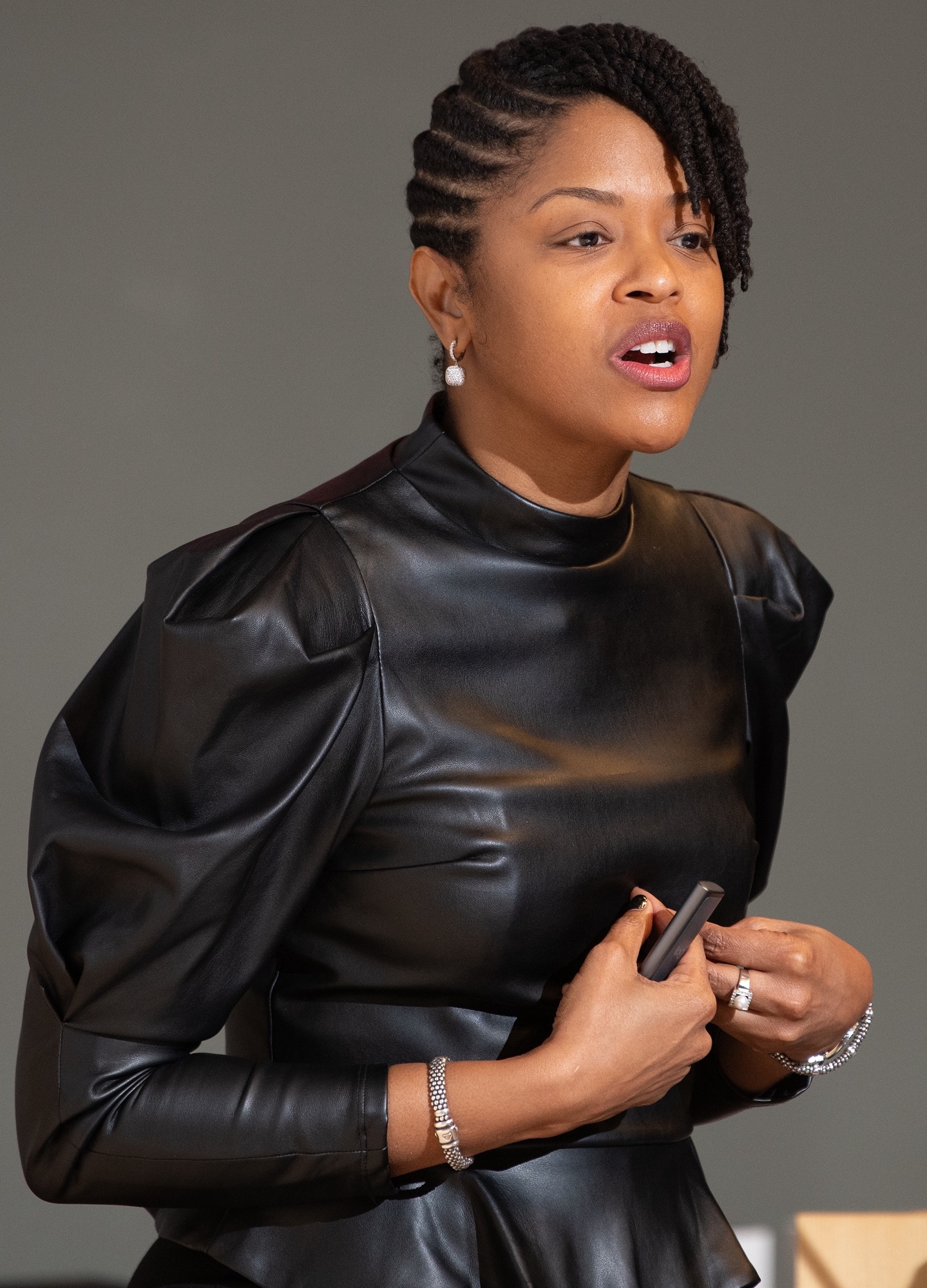
“If we are not uplifting the stories of those who are the most harmed, the most abused, the most disenfranchised, those who consistently are pushed off of the ‘Cliff of Good Health,’ then we are doing a detriment to the population as a whole. Because the population as a whole can’t thrive and flourish as long as a half is not thriving and flourishing.”
— Chris T. Pernell, MD, MPH, FACPM, director of the NAACP Center for Health Equity, during the keynote speech at UMB’s Rev. Dr. Martin Luther King Jr. and Black History Month Celebration on Feb. 5
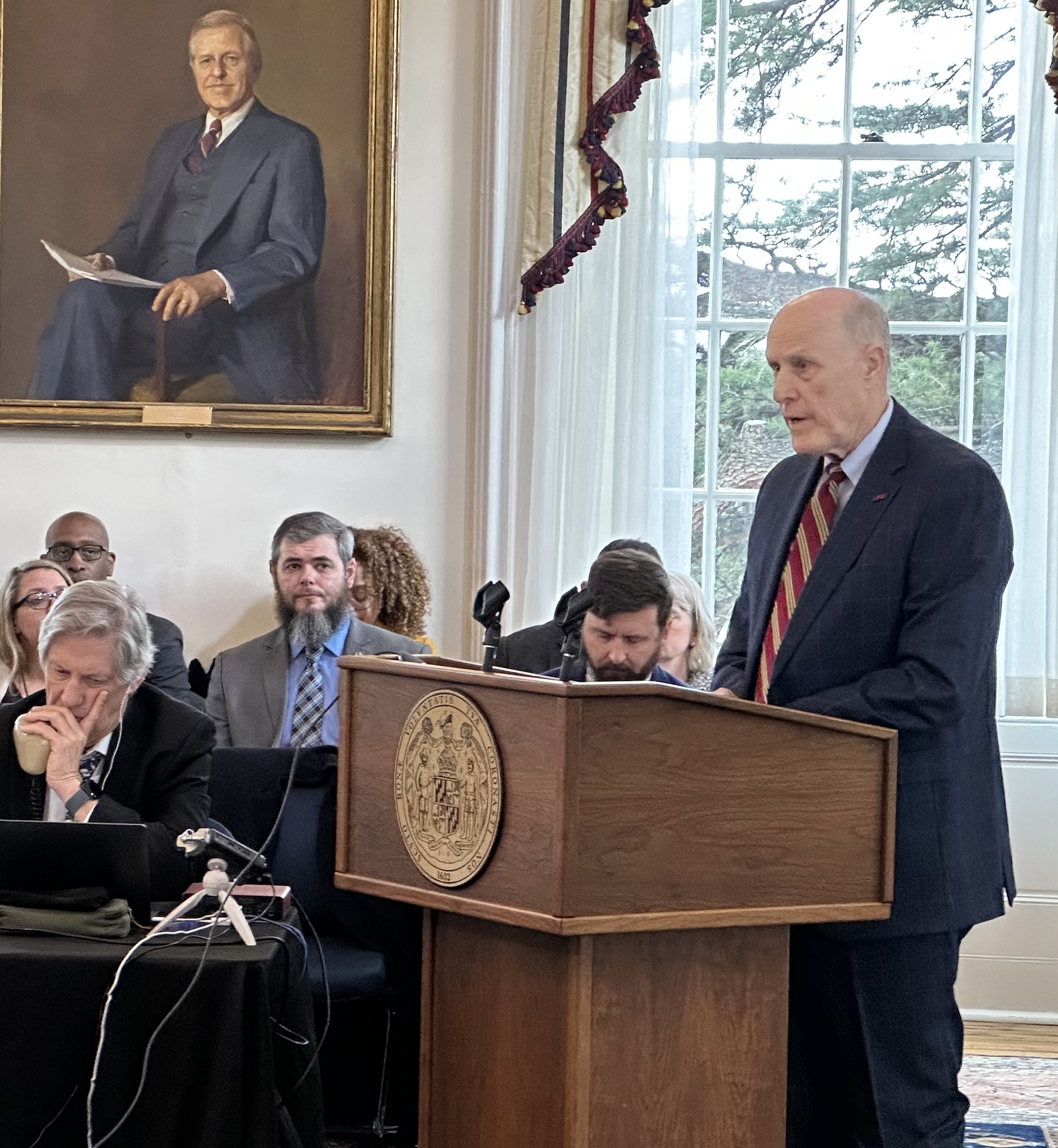
“It’s a once-in-a-generation opportunity and reshapes the northern end of our campus. People won’t just walk through UMB to go to the Orioles game. They will live, they will work, they will stay, they will contribute to the businesses.”
— Bruce E. Jarrell, MD, FACS, president of the University of Maryland, Baltimore (UMB), presenting details of the West Lexington Corridor Development Project to the Maryland Board of Public Works in Annapolis on March 18. The board approved the project, which will create a vibrant “College Town” area at the north end of campus.
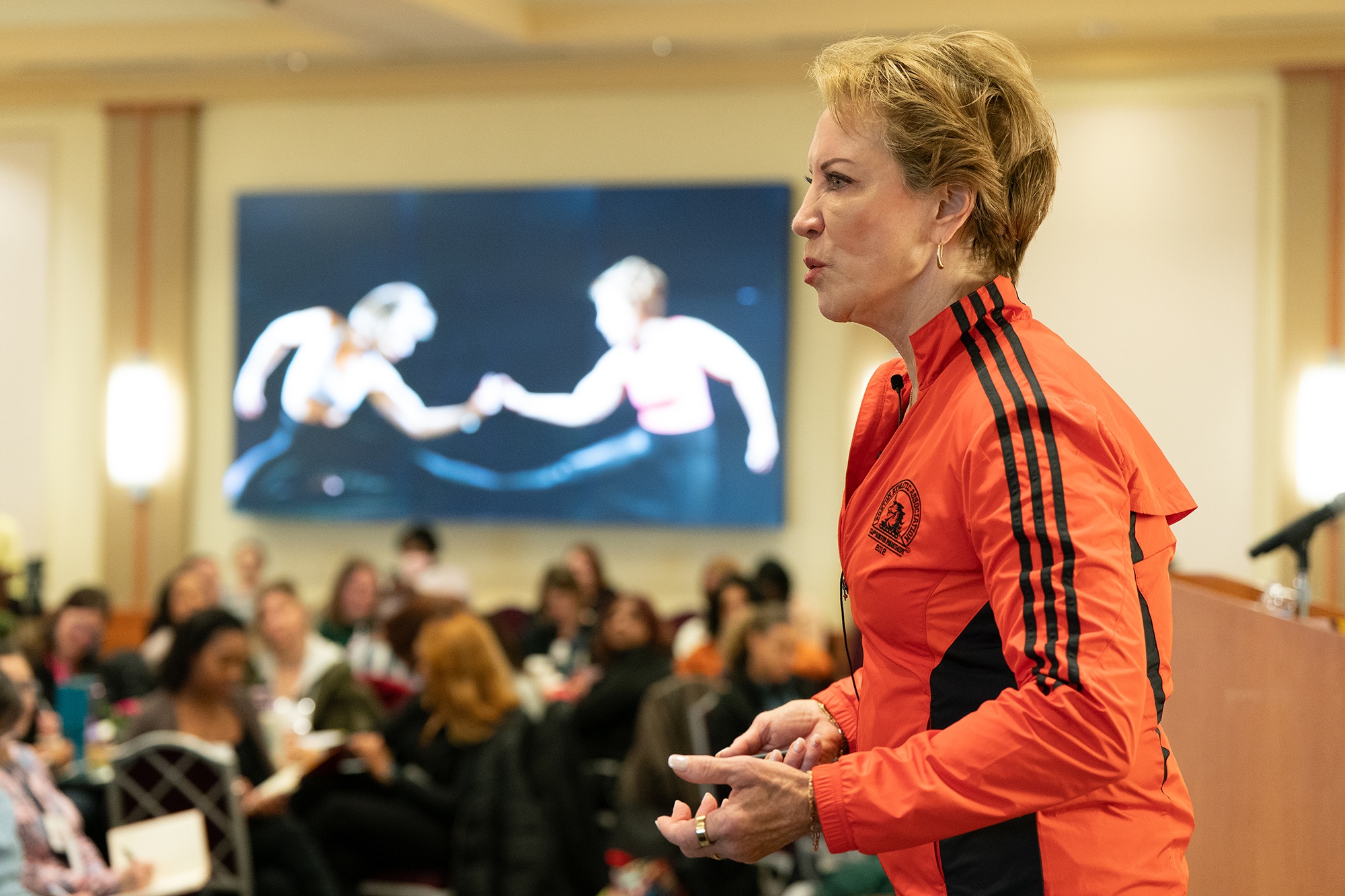
“Run into the fire. Grab every single challenge you can. You know why? Because you’re going to build up a very important muscle. And what is that muscle? Resilience. Resilience is the foundation, but it doesn’t come overnight. You get resilient. After finishing a marathon, you feel like you can do anything.”
— Pamela Peeke, MD, MPH, FACP, FACSM, founder of the Peeke Performance Center for Healthy Living and adjunct assistant professor of family medicine at the University of Maryland School of Medicine, during the Women’s History Month Symposium on March 4
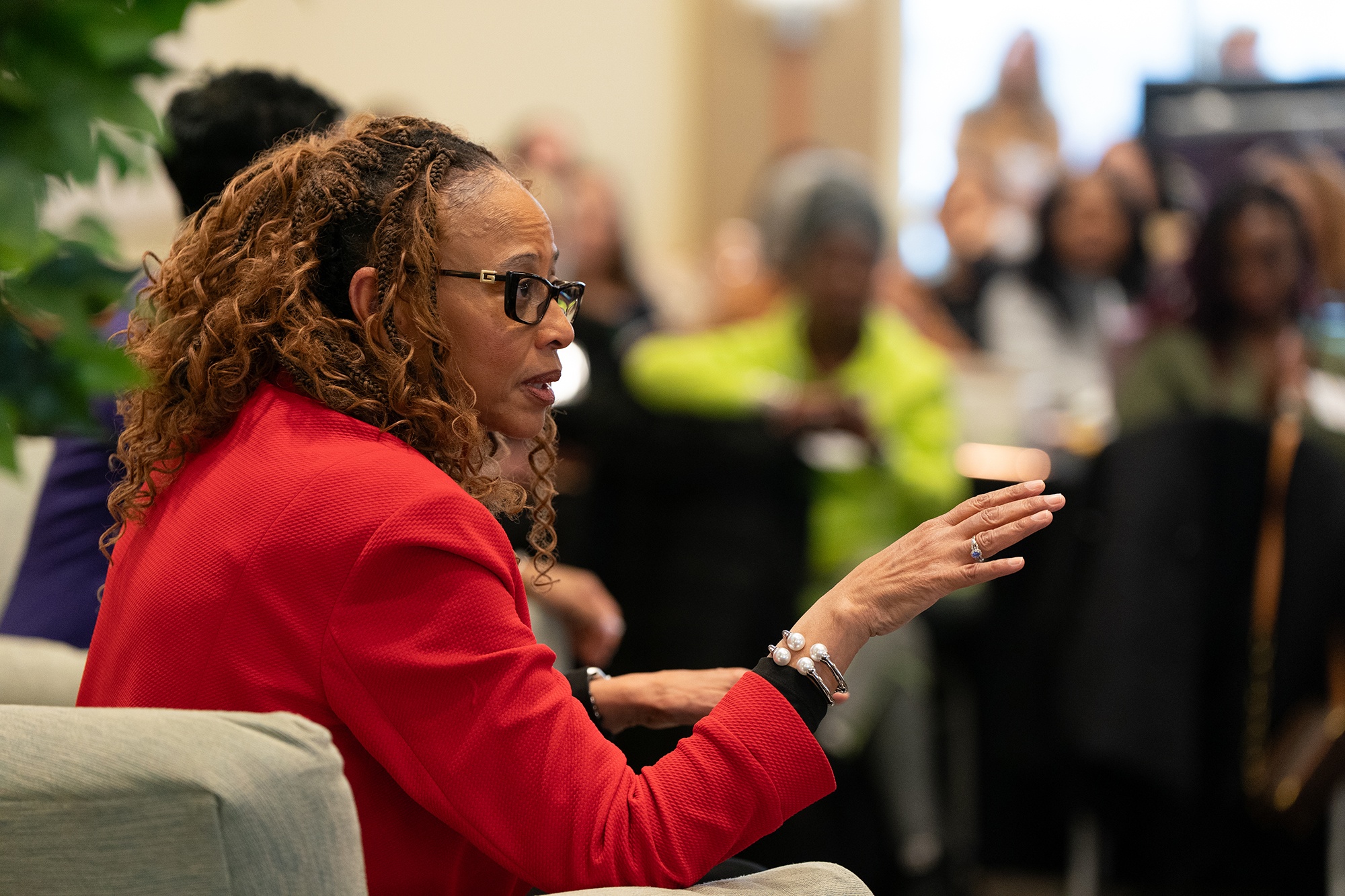
“Your goal is to grow your net worth. How do you know where you are going if you don’t know where you are?”
— Michelle Singletary, MS, who writes “The Color of Money” personal finance column for The Washington Post, encouraging attendees to fill out a net worth statement during the Women’s History Month Symposium on March 4
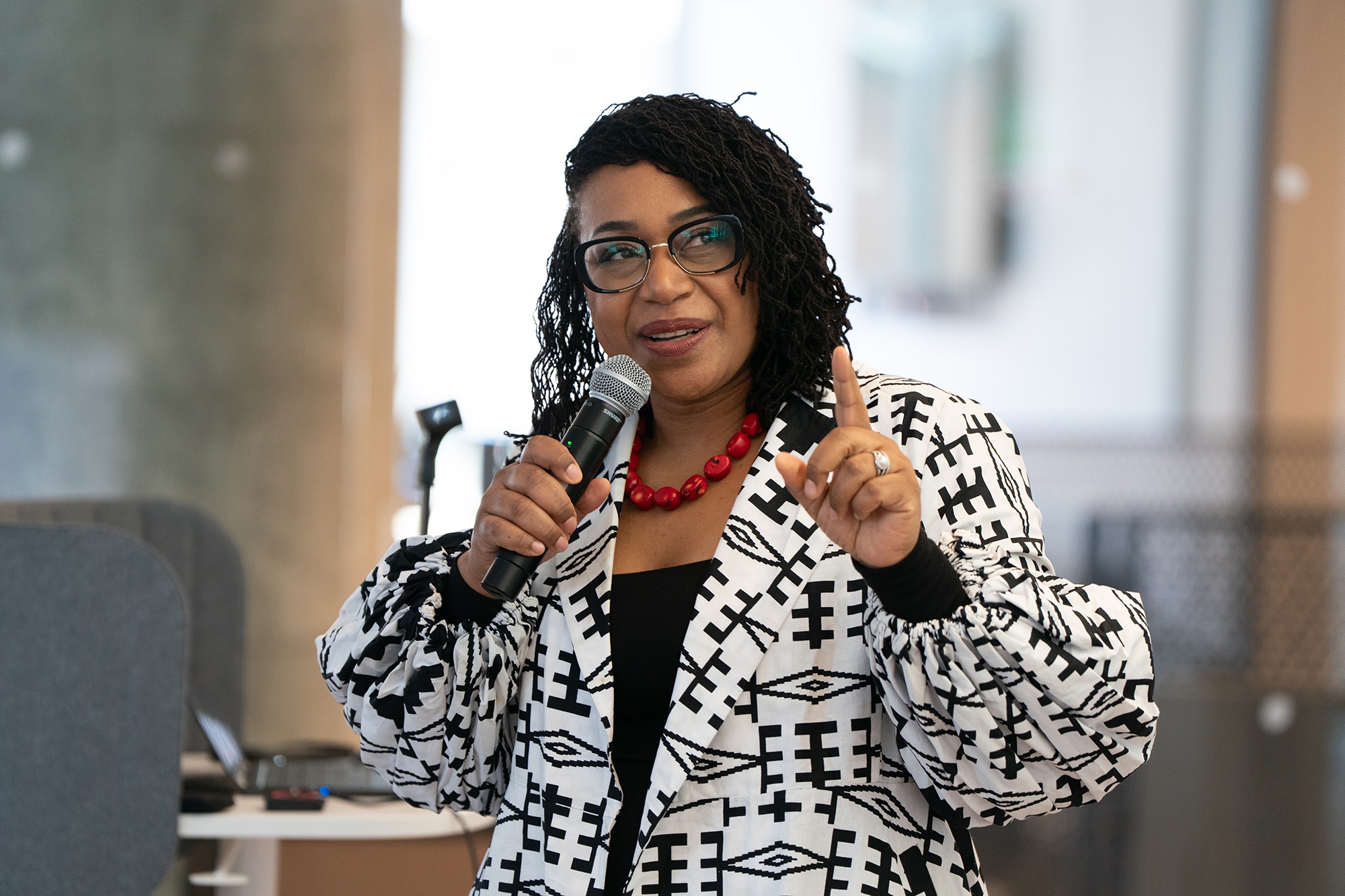
“Build community. Understand what others’ experiences are and have conversations, because you are only coming from one singular perspective. To be more inclusive, to be more equitable, we need to understand others’ experiences, too.”
— Rhea Roper Nedd, PhD, MA, assistant vice president, Office of Inclusive Excellence and Institutional Effectiveness, during UMB’s Values in Action Speaker Series event May 9, focusing on the University’s core values set of Equity and Justice