
 Patricia Fanning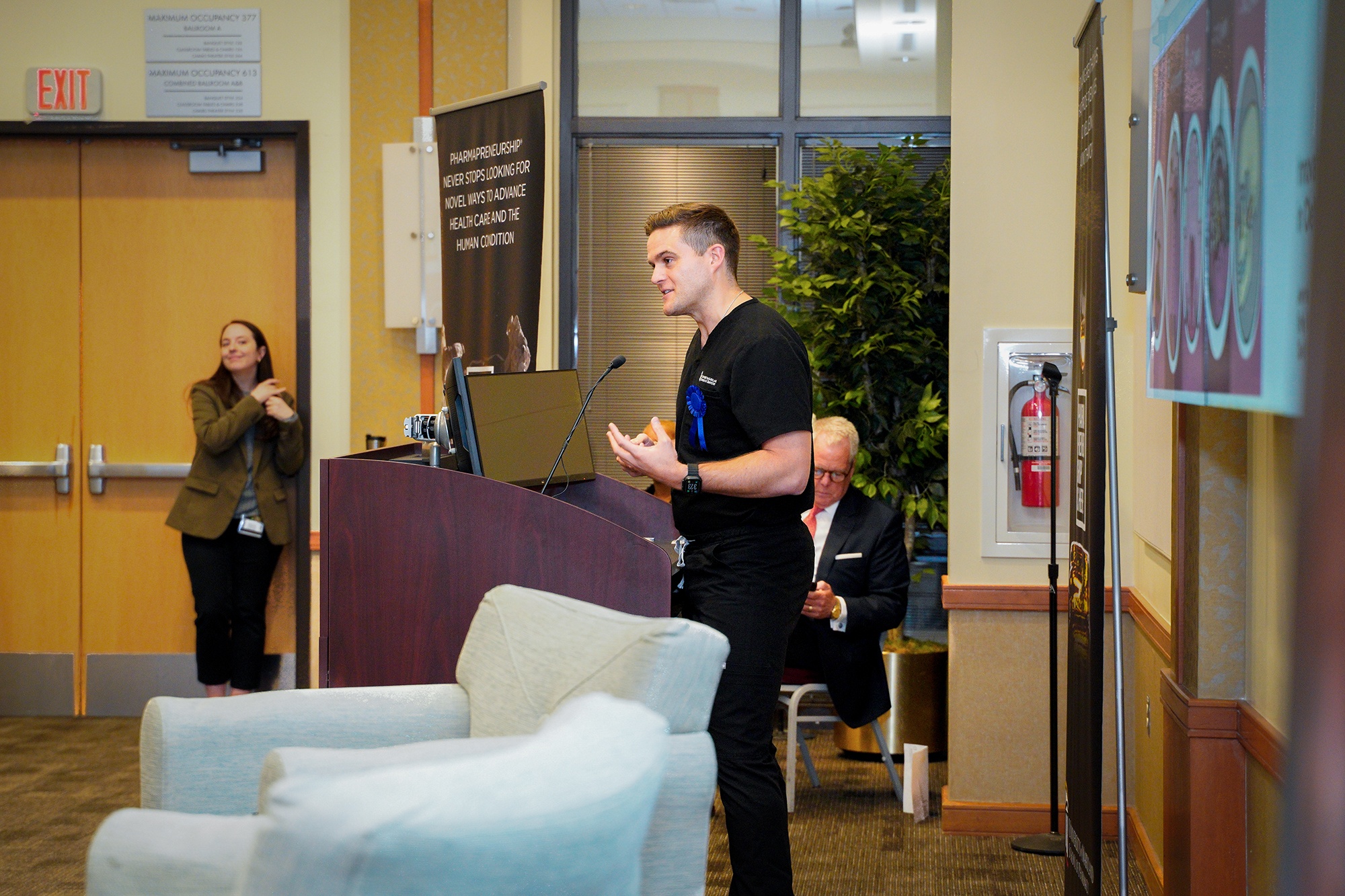
Jeremie Oliver Piña, PhD, MBA, MS, was so moved when he witnessed surgery to repair an infant’s cleft lip that he decided to study the cause and treatment of the common birth defect. Children growing up with cleft lip and/or palate might require multiple surgeries, and the University of Maryland School of Dentistry (UMSOD) student envisions breakthroughs that might one day ease their plight.
“It’s an incredible procedure that just changes lives and changes families, and that really hooked me from the beginning,” said Piña, who is the 2026 recipient of the American Cleft Palate Craniofacial Association’s Young Professional Service Award for contributions to the field. These include doctoral and postdoctoral research findings by Piña and colleagues.
“Our hope is to come up with gene therapies that can either prevent or help ameliorate the cleft disease after the baby is born,” he said, referring to a condition resulting when the two sides of the face fail to join during fetal development. He proposed a prenatal solution — a molecular key to palate fusion — during a recent UMB-wide entrepreneurial competition.
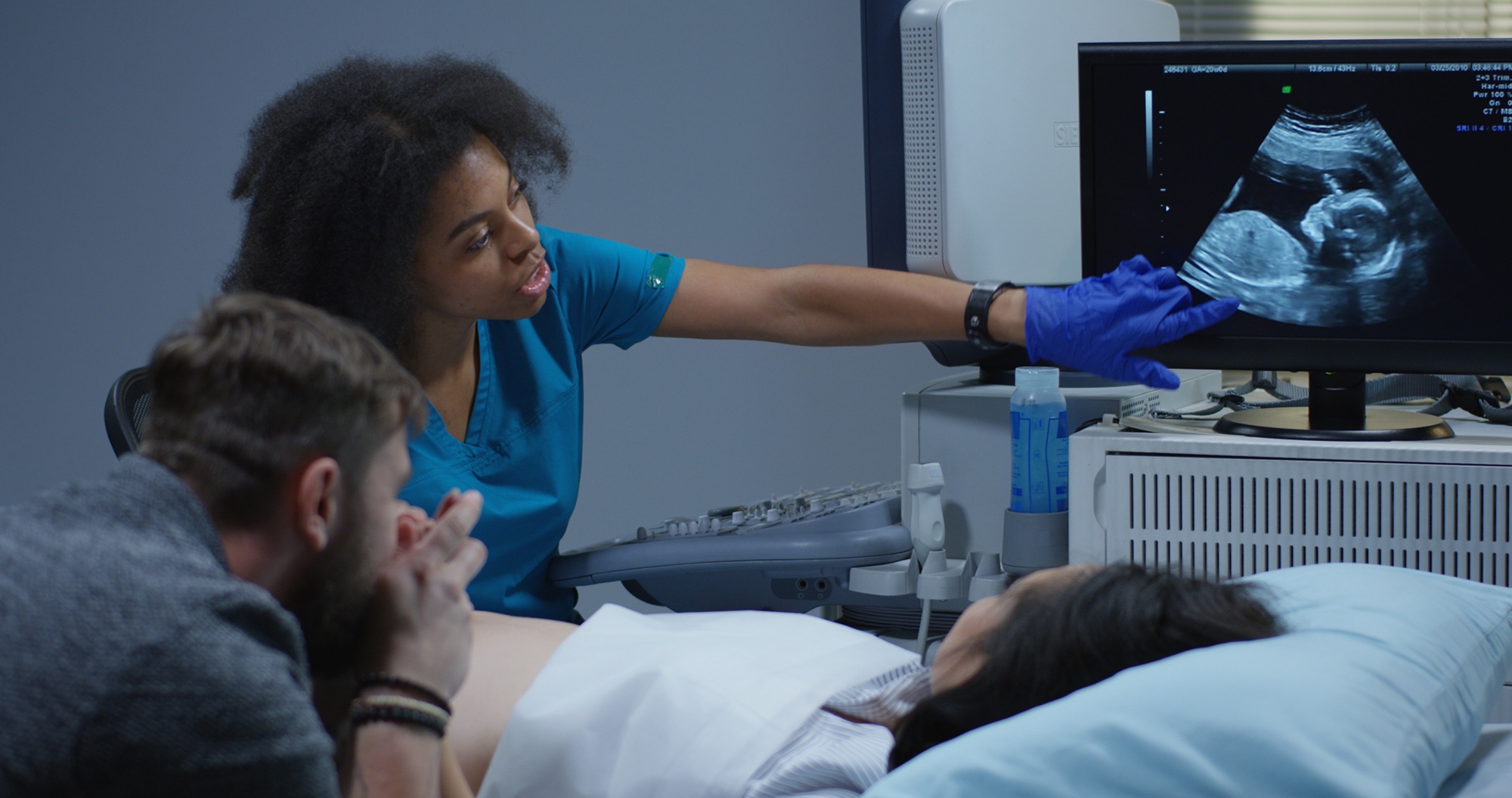
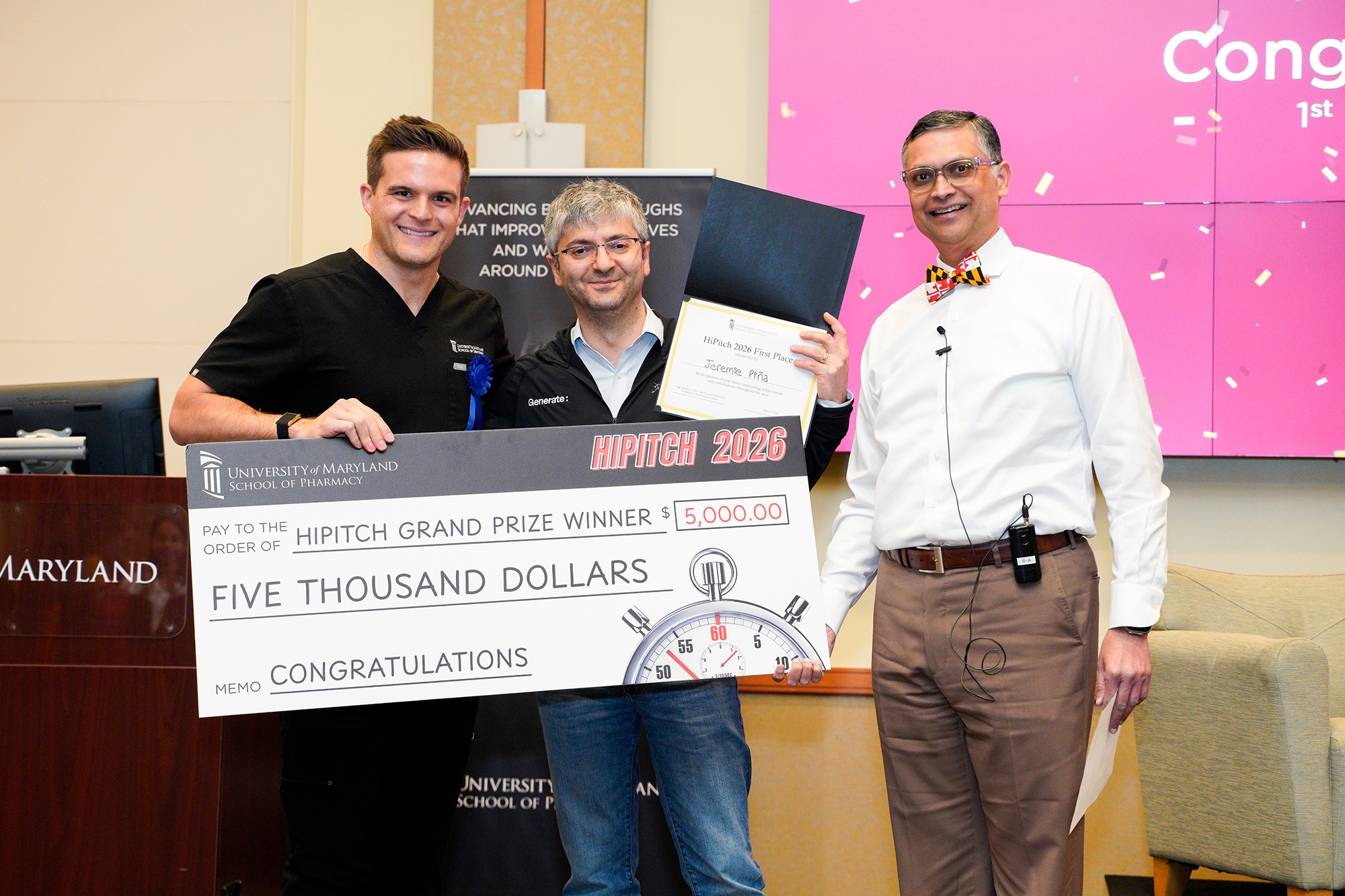
Piña won the grand prize at the School of Pharmacy’s HiPitch by describing how clinicians might combine ultrasound with delivery of a specific signaling molecule. A precisely timed in utero intervention would prompt the developing body to heal itself.
“This isn’t a drug for the mother; it’s a targeted ‘instruction manual’ delivered directly to the child,” he said.
Piña’s unusual path to becoming a clinician-scientist led him to UMSOD, where as a member of the Class of 2026 he has completed an elective clerkship in the Department of Oral and Maxillofacial Surgery. The department’s vice chair is clinical professor John Caccamese Jr., DMD, MD, FACS, a mentor who also is co-medical director of the Randolph B. Capone Cleft Lip and Palate Program at GBMC HealthCare and a past president of the association. He recalled Piña’s approach in 2021 prior to enrollment.
“He was probably the first dental student to come and spend time with our cleft team. That was certainly unique,” Caccamese said.
Caccamese said the depth of Piña’s research is atypical at his level. “He is in a tier of his own.”
‘Surgeon Innovator’
Piña won a prestigious research prize in 2024 for a paper on factors affecting oral cavity bone formation in utero, published in Nature Communications. It was one of three studies identifying embryonic palate biomarkers in which he was the lead author along with an earlier mentor, Rena N. D’Souza, DDS, PhD, MS. The findings grew out of research conducted at the National Institutes of Health (NIH) in Bethesda, Md., where he was a fellow in its Graduate Partnerships Program while finishing a doctorate in biomedical engineering.
Concurrent to his dental training, Piña also collaborated with D’Souza as a postdoctoral fellow; she was then director of dental and craniofacial research at NIH.
Piña earned both his doctorate and a Master of Business Administration from the University of Utah, and he holds a Master of Science of Health Care Delivery from Arizona State University. He attended Mayo Clinic College of Medicine and Science, where he observed his first cleft surgery during two years of medical school. Piña will finish his medical degree at Emory University School of Medicine, where he’ll soon begin an oral and maxillofacial surgery residency.
Piña foresees a future as “a surgeon innovator” specializing in cleft care and prevention. Each year in the United States, cleft lip with or without cleft palate occurs in about 1 of 1,050 births, according to the association. In those involving a genetic syndrome, the cleft is among several anomalies.
Preventing Pain in Children
Cases of cleft lip range from a notch to a wide opening that goes through the nose. Cleft palate results when the roof of the mouth fails to close. The gap may reach from the gum line to the soft tissue in the upper rear of the oral cavity. Sometimes a “hidden” cleft occurs in the muscles underlying that tissue.
Piña’s target is bone. He seeks ways to better replace what’s missing in the roof of the mouth. Currently the standard of care involves dual operations: A surgeon removes several centimeters of bone from a patient’s hip for insertion in the palate. The children, between ages 4 and 9, sometimes complain of greater pain in their hips than in their mouths, he said.
To spare them, Piña seeks to develop “an off-the-shelf option tailor-made to the unique molecular genetics of each patient.” This would be a continuation of his osteogenesis research from preclinical benchtop to patient application.
Piña’s oral surgery clerkship gave him a pediatric head start. He has extracted decayed and impacted teeth in young patients under the mentorship of UMSOD clinical assistant professor Ritika Agrawal, BDS, MDS, FHNSO, who recalled his calming an 8-year-old. “He managed very well, showing empathy,” she said.
“I feel like I can communicate with kids,” said Piña, who brings those skills from home: He and his wife, Stephanie, are the parents of toddlers.