
 Lorri Angelloz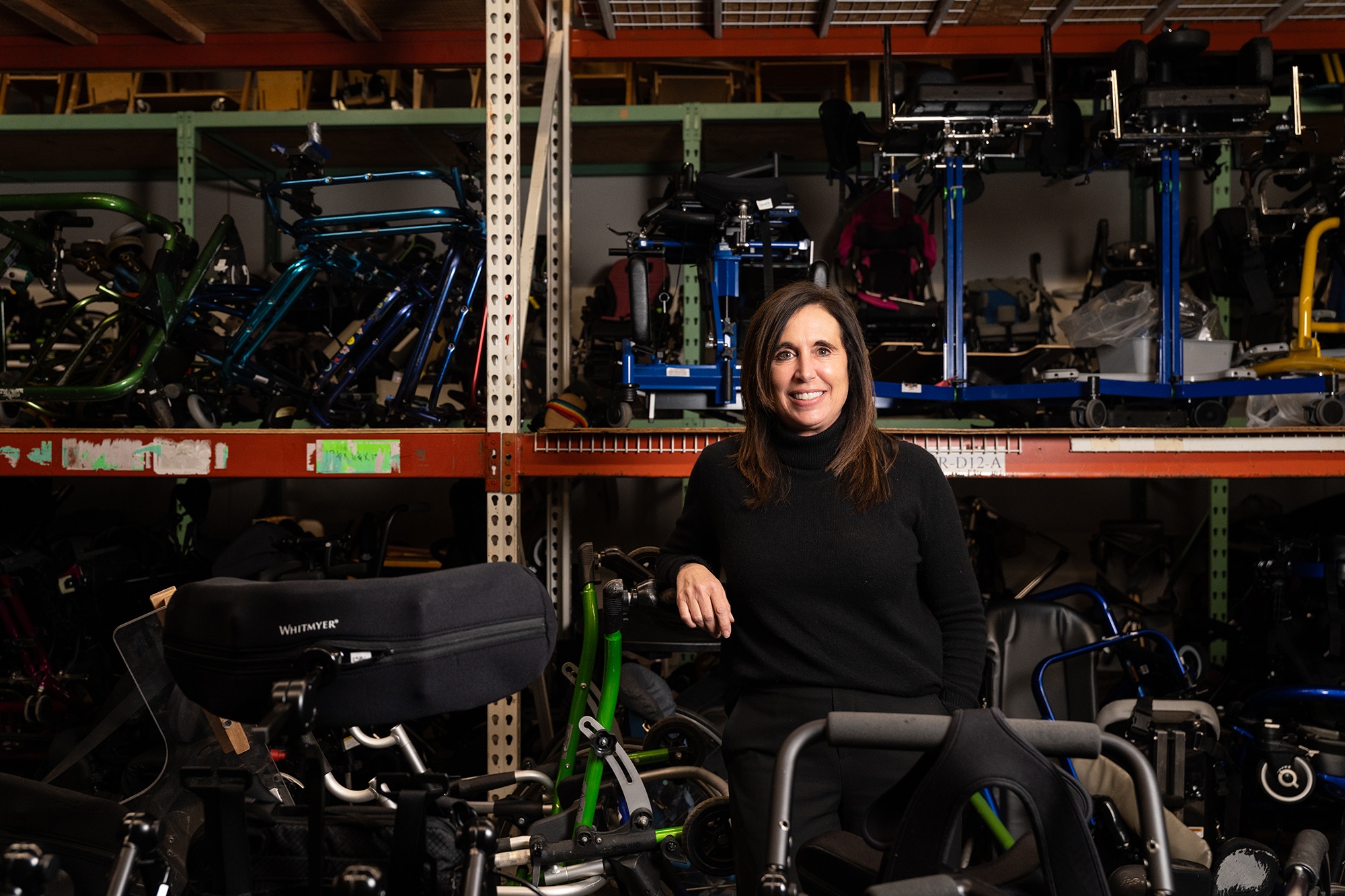
“Do you have an idea that can change the world?”
When Debbie Sahlin, DNP, saw that prompt in an email from the University of Maryland School of Graduate Studies’ innovation program, Grid Pitch, she didn’t have to search for an answer.
“I immediately thought, ‘Yes, I think I do,’ ” she said.
Sahlin, who was pursuing her BSN at the University of Maryland School of Nursing at the time, entered the program with a clear goal: to create a new model of care for people with disabilities and complex medical needs, shaped by her experience as a parent navigating a fragmented system.
The Grid Pitch became a critical step in moving that idea forward.
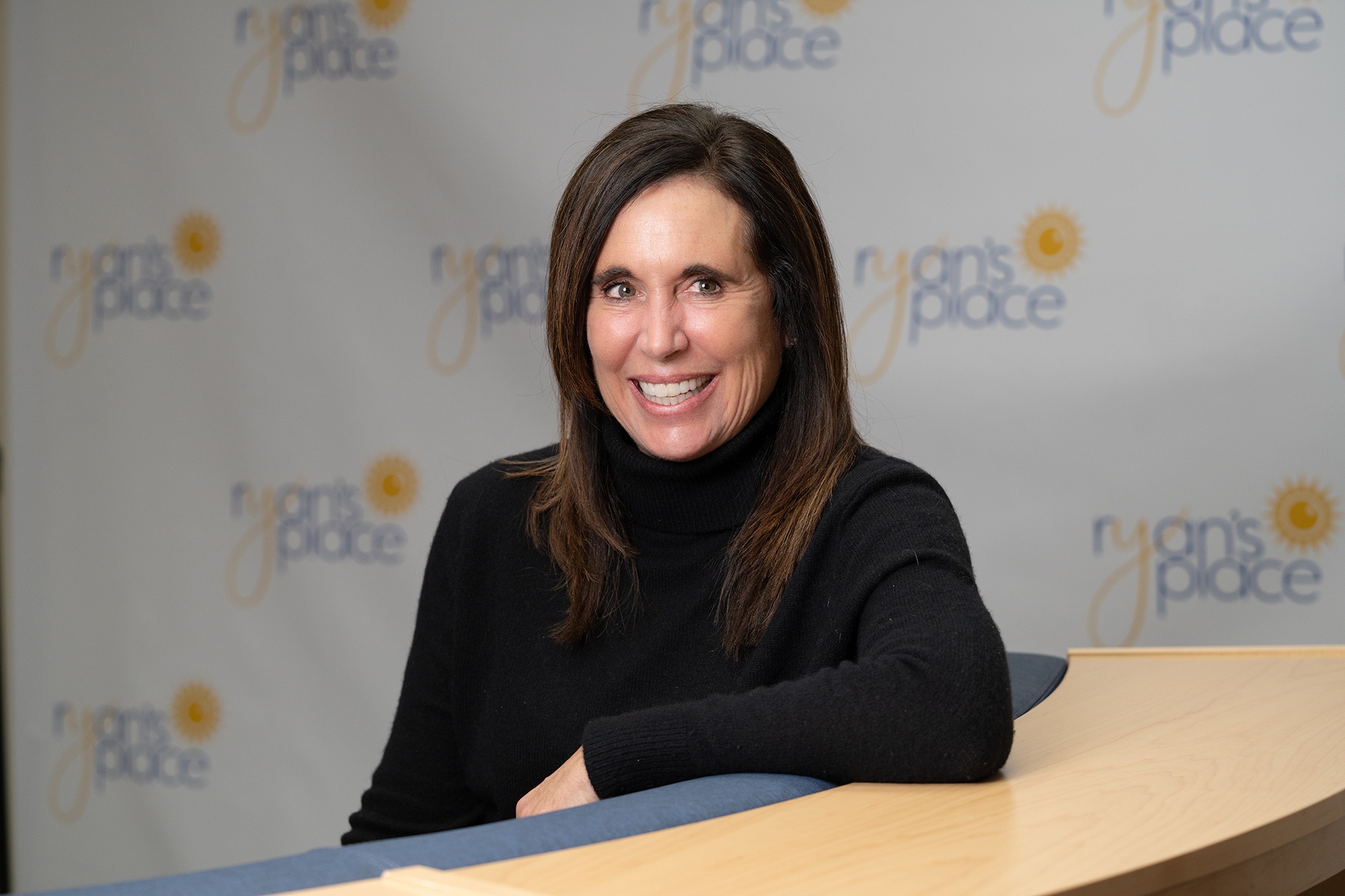
She took part in the program for three years, from 2021 through 2023, refining her concept, building partnerships, and securing early funding — efforts that led to the creation of Ryan’s Place, a specialized primary care practice in Gaithersburg, Md., designed to serve individuals with physical disabilities.
Bringing it to life involved long hours of painstaking work, from navigating credentialing to securing state approvals. Sahlin described the process as “frustrating” but stressed it was essential, because it was rooted in something deeply personal.
As she explained, the idea behind Ryan’s Place grew out of years spent navigating the health care system with her son, Ryan, who has significant disabilities. While she found the system capable of delivering critical treatment, she said it often fell short in supporting families like hers.
That reality became especially clear during one of the most vulnerable moments in her son’s care: the transition from pediatric to adult medicine.
“That’s where everything fell apart,” Sahlin said, recalling that period.
After years of more coordinated support in pediatrics, the shift to adult providers was abrupt and disjointed. Referrals led to dead ends. Providers were hesitant to take on complex cases. At one point, a missed diagnosis resulted in a life-threatening complication that required hospitalization — an experience that underscored just how fragile that transition could be.
“I thought, ‘You know what? This needs to change. I can do this,’ ” she said. “I advocated for my child, but I thought about the people who don’t know how or who can’t advocate the same way.”
Addressing Care Gaps
Sahlin’s experience is one many families have endured.
Each year, thousands of young people with complex medical needs age out of pediatric care, entering an adult system that is often unprepared to meet them. Recent national data from the National Survey of Children’s Health shows that only about one in five adolescents with special health care needs receives the services necessary to transition to adult care, and many experience interruptions that can lead to worsening health outcomes.
At the same time, there is a persistent shortage of adult providers trained to care for patients with childhood-onset disabilities. Without that expertise, families are often left to navigate a fragmented system on their own.
Ryan’s Place was designed to address those gaps directly.
At Ryan’s Place, appointments are longer, allowing time to address multiple, often interconnected needs. The space itself is built for accessibility, with equipment designed for patients with mobility challenges, including wheelchair-compatible scales and exam areas that accommodate a range of physical abilities.
Patients often rely on multiple specialists, juggling a dozen or more appointments each year. Even something as routine as a lab draw can become a logistical barrier. To reduce that burden, Ryan’s Place offers in-house lab services and coordinates care in a way that minimizes the need for additional visits.
In addition to primary care, Ryan’s Place has begun offering equipment evaluations for durable medical needs — a service that is difficult to access for adults with disabilities — and is exploring expanded diagnostic and screening services.
The goal is to create what Sahlin describes as a “medical home” — a central place where care is not only delivered, but also organized.
For patients at Ryan’s Place, the difference is clear.
One case stands out to Sahlin: a young patient with cerebral palsy whose care had been shaped by gaps and missed opportunities. Despite the patient seeing multiple providers, key evaluations and interventions had been overlooked.
Within weeks of arriving at Ryan’s Place, that began to change. Sahlin worked with the family to coordinate a plan that included critical procedures and long-delayed interventions — steps that could significantly improve the patient’s quality of life.
For families, that kind of coordinated, attentive care can be transformative.
Amy, the mother of the patient with cerebral palsy, said the impact was immediate. “Deborah Sahlin has made a significant impact on my child’s health through her compassionate and attentive primary care,” she said, asking that her last name not be used. “She takes the time to understand our needs and ensures my child receives the right care and medical support. Her dedication and willingness to go above and beyond have given me peace of mind and confidence in my child’s care. I’m truly grateful for the difference she has made in our lives.”
Support from the Grid Pitch
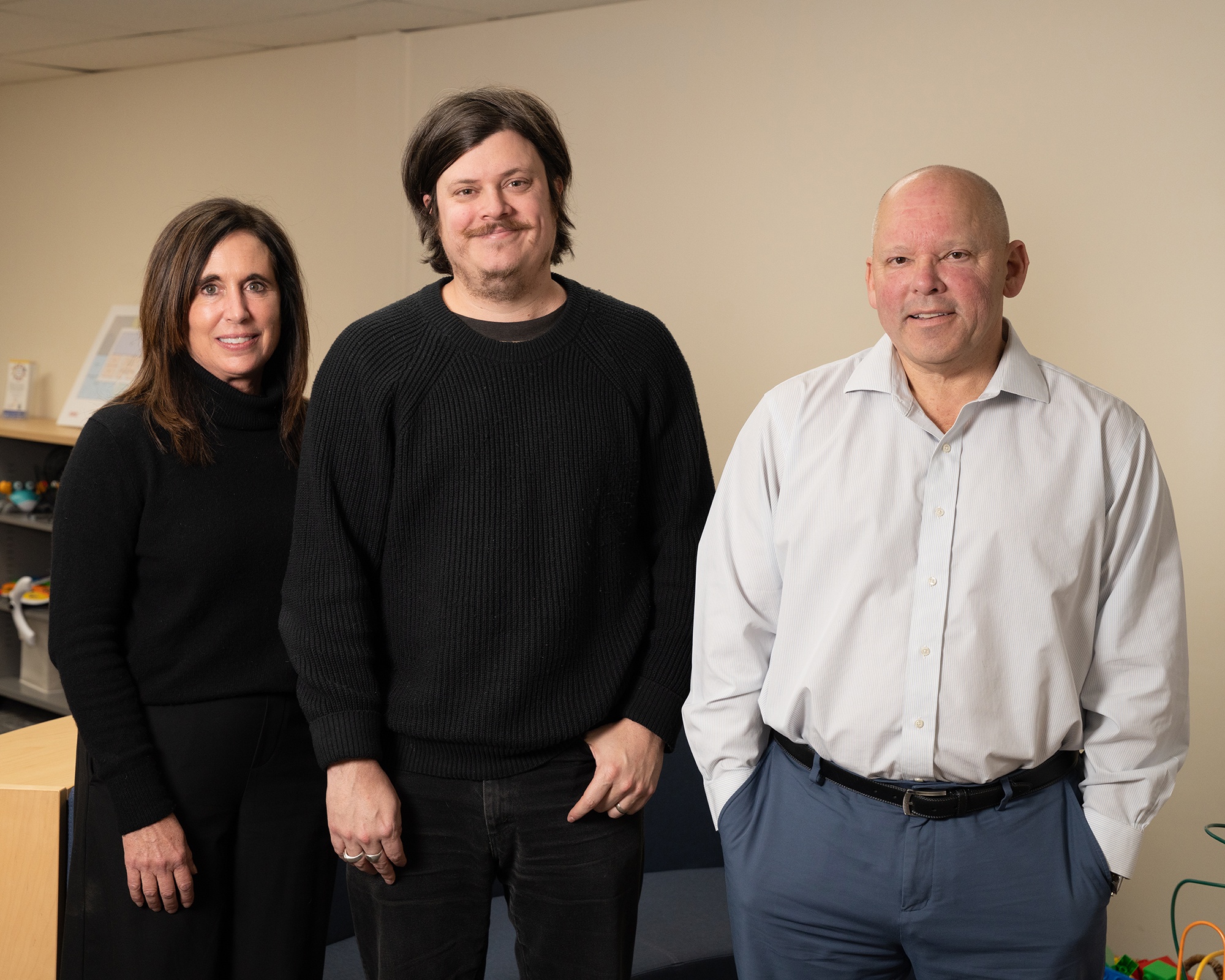
Taylor DeBoer, MA, acting director of the Grid — the University of Maryland, Baltimore’s (UMB) hub for entrepreneurship and innovation and home to the annual Grid Pitch — said stories like these reflect what the program is designed to make possible.
“If you could design a success story, this would be it,” he said. “It worked for her because Debbie took full advantage of the way the Grid functions.”
He explained that, at its core, the Grid Pitch is not just a one-time competition, but also part of a broader support system that continues well beyond the pitch itself — through mentorship, funding opportunities, and ongoing connections.
“We think of it as a pipeline,” he said. “We’re here to support students not just during the program, but after.”
That momentum is reflected in the current Grid Pitch cohort, DeBoer added.
This year’s teams are working on everything from adaptive apparel designed for individuals living with chronic cold sensitivity to community-driven wellness initiatives expanding access to somatic and culturally responsive care. Others are building digital platforms to simplify complex health care decisions, developing privacy-first technologies that support older adults aging safely and independently, and even using cancer data and machine learning to accelerate breakthroughs in protein design and sustainable manufacturing.
That support is sustained by a Universitywide network that guides students at every stage of their work while also strengthening and expanding the Grid’s reach.
DeBoer emphasized that the Grid has been built through a collaborative effort across UMB. Developed through the vision of key faculty and staff, it has grown thanks to strong support from University leadership and campus collaborators, including the Office of Research and Development and the Health Sciences and Human Services Library, which has provided the Grid a welcoming, flexible space for its work.
“The people I met through it still reach out, still share opportunities, still help me problem-solve. It didn’t stop when the program ended,” Sahlin said, noting that those connections have been both critical and enduring.
She added that such support has not only helped launch Ryan’s Place, but also shaped what comes next.
Impact on Training Providers
Those who have worked closely with Sahlin say her impact extends beyond the clinic itself. Heather Riordan, MD, one of Sahlin’s mentors and medical director of the Phelps Center for Cerebral Palsy and Neurodevelopmental Medicine at the Kennedy Krieger Institute, has seen that work up close. Riordan said models like Ryan’s Place are critical not only for patients, but also for training providers to deliver more effective, real-world care.
“Debbie’s energy is contagious,” Riordan said. “She has a deep understanding of the barriers her patients face and a unique ability to envision solutions and put ambitious but achievable plans into action.”
Riordan said that approach is especially valuable for training future providers. “Training often focuses on medical management in an artificial setting, but people don’t live in clinics, they live in the real world,” she said. “Programs like Ryan’s Place give trainees a chance to understand the real-world strengths and barriers that shape whether care actually works.”
That focus on training is central to Sahlin’s vision for the future of Ryan’s Place.
Because her vision extends beyond a single clinic, Sahlin hopes to expand to additional locations. Just as importantly, she intends to help train the next generation of providers to care for patients with complex needs.
“This isn’t just a local problem,” she said. “It’s everywhere.”
That urgency is part of what drives the next phase of her work. Ryan’s Place is in the process of becoming a clinical training site, with plans to partner with institutions like Kennedy Krieger Institute as well as UMB to give students hands-on experience working with this population — exposure that is often missing from traditional training.
Sahlin stressed that such preparation is essential to closing the gaps she has spent years navigating.
Because the goal was never just to build one place. It was to build something that could change what comes next.